The Beginner’s Guide to watering your garden

We have all been there, you start your home garden with the best intentions—vibrant tomatoes, fragrant jasmine, fresh coriander—only to find yourself dreading the daily watering chore using a garden hose that sprays everywhere or worse, forgetting it entirely during a busy work week.
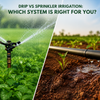
The solution isn't more water—it’s smarter delivery. A drip irrigation system acts like a slow-drip IV for your garden, delivering moisture exactly where it’s needed: the roots.
Why are the benefits of drip irrigation?
● Delivering water to the roots, helps with plant growth and keeping water off leaves prevents fungal diseases and “leaf-burn”,
● Use up to 70% less water because there is zero runoff and minimal evaporation,
● Consistency yields bigger harvests and more vibrant blooms
● Less weeds to worry about!
Setting up your home irrigation kit


Setting up your drip irrigation system sounds technical, but it’s not. You don’t need to be a plumber; you just need a bit of time and a love for your plants. Just following these simple steps:
- You start by laying out a main line—the "artery" of your garden.
- Using small feeder tubes, you can give your thirsty tomatoes a bit more water while giving your succulents just a drop. It’s personalized care for every pot.
- Connect drippers at the end of feeder tubes for plants, while irrigation taps provide more water flow suited for water hungry plants, trees or dwarfs.
- Once all the plants are connected, connect the end-connector at the end of the line and turn on the water source to check if water flow is as desired. Use a 4mm end connector to close any unplugged holes.
- Optional: Use the Smart timer (WiFi enabled) for early mornings to allow the water to soak deeply before the heat of the day.
Note: Because our Smart Timers require specific tech configuration and pressure testing, we recommend a professional technician visit to ensure your home network and garden are perfectly synced.x6
Simple Maintenance Checklist for Indian Conditions
Once installed, the system requires very little maintenance, but these simple steps will keep it running perfectly:
● Walk your garden while the system is running. Look for clogged emitters (you can disassemble and blow into them to unclog) or check for disconnected lines.
● Many parts of India have hard water, which causes calcium buildup. If an emitter clogs, you can often soak it in a diluted vinegar solution.
● Every few months, remove the end caps and flush the main lines for a few minutes to clear any sediment.